Reusable PVC Medical Wristbands for Hospital Use
News Details
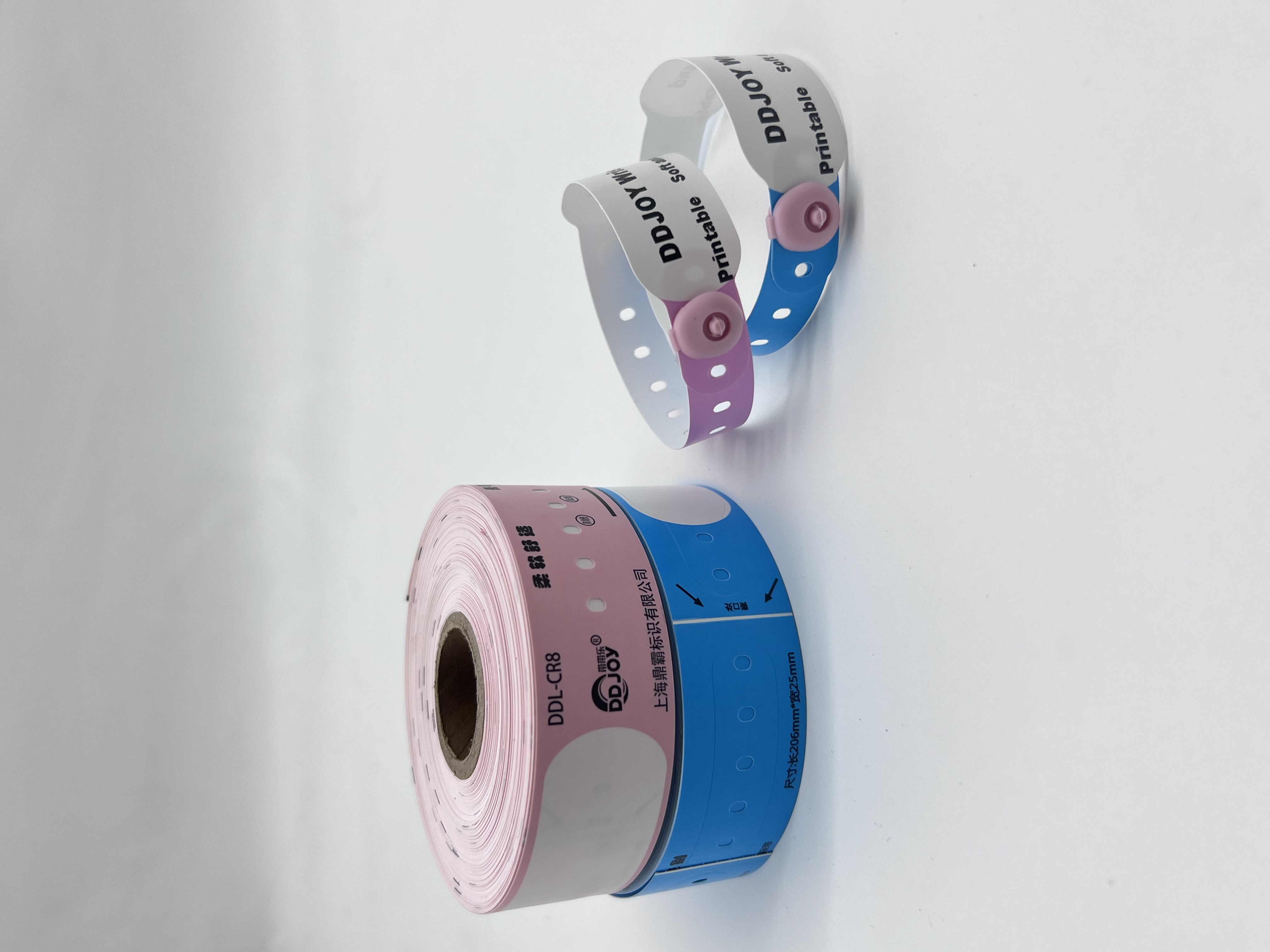
Reusable PVC medical wristbands can help healthcare facilities manage patient identification and daily care tasks. In hospitals, clinics, and care centers, clear patient identification is important for safe and smooth work. Therefore, choosing the right wristband can help staff check patient details and reduce confusion.
PVC wristbands are known for their flexible material, clear print, and practical use. Depending on the design, they may also be easy to clean and suitable for repeated use. However, healthcare facilities should check the cleaning needs, wear life, and infection control rules before choosing reusable wristbands.
Why Choose Reusable PVC Medical Wristbandsfor Healthcare Facilities?
Healthcare facilities need patient wristbands that are clear, comfortable, and easy to manage. Reusable PVC medical wristbands may be a useful option when the product is designed for repeated use and meets the facility's cleaning needs.
First, PVC is flexible and can offer a comfortable fit when the wristband is properly sized. In addition, its smooth surface can make routine cleaning easier, depending on the material and the cleaning products used.
Reusable wristbands may also help reduce the need to replace wristbands as often in suitable settings. As a result, facilities may save on supplies and reduce waste. Still, the actual benefits depend on the product design, service life, and cleaning process.
Key Features of Reusable PVC Medical Wristbands
When selecting reusable PVC medical wristbands, healthcare buyers should consider several key features.
Durable PVC Material
A medical wristband should withstand normal daily wear. PVC can provide flexibility and resistance to everyday handling. However, repeated exposure to cleaning agents, moisture, and friction may affect the material over time. Therefore, buyers should check the product's care instructions and expected service life.
Clear Patient Identification
Clear patient information is essential in healthcare settings. A wristband may display a patient's name, identification number, or other approved details. Depending on the design, it may also support barcodes or other scanning features.
Moreover, printed information should remain easy to read throughout the intended period of use. Staff should check wristbands regularly and replace any that are damaged or unclear.
Comfortable and Adjustable Fit
Patients may need to wear wristbands for different periods. For this reason, a comfortable fit is important. An adjustable design can help fit different wrist sizes while keeping the band secure.
At the same time, the wristband should not be too tight or cause skin irritation. Healthcare staff should follow facility guidelines for proper fitting and regular checks.
Easy Cleaning and Care
Cleaning is an important factor when choosing reusable medical wristbands. However, not every PVC wristband is suitable for repeated cleaning or disinfection.
Before placing an order, buyers should confirm that the wristband material can withstand the cleaning products and methods used by their facility. They should also set clear rules for cleaning, inspection, and reuse.
Reusable wristbands should not be shared between patients unless the product is specifically designed for that purpose and the reuse process meets applicable infection prevention requirements.
How Healthcare Facilities Can Use PVC Medical Wristbands
PVC medical wristbands can support patient identification in different healthcare settings, depending on their design and intended use.
Hospital Patient Identification
Hospitals need reliable ways to identify patients during admission, treatment, and transfer. A clearly printed wristband can help staff confirm patient details before care activities.
In addition, barcode-compatible designs may support patient record systems when used with compatible scanning equipment. However, wristbands should be part of the facility's full identification process rather than the only safety check.
Clinic and Outpatient Services
Clinics and outpatient centers often handle many patients throughout the day. Therefore, easy-to-read wristbands can help staff organize visits and confirm patient details.
For short visits, a single-use wristband may be more suitable. Reusable options should only be considered when the product design, cleaning process, and local rules support safe reuse.
Long-Term Care Facilities
Care homes and long-term care centers may need clear identification for residents who receive regular support. A comfortable wristband can help staff identify residents during daily care.
Even so, staff should check the fit and condition of each wristband. If a band becomes loose, damaged, or difficult to read, it should be replaced according to facility policy.
Reusable vs. Disposable PVC Medical Wristbands
Reusable and disposable medical wristbands serve different needs. The best choice depends on the care setting, length of use, and infection control requirements.
Reusable wristbands may be suitable when the product supports repeated use and a safe cleaning process is in place. They can also reduce replacement needs in approved applications.
Disposable wristbands, on the other hand, are designed for one patient or one defined period of use. They can be a better choice when facilities need a fresh wristband for each admission or patient visit.
For this reason, healthcare buyers should compare the total cost, expected wear life, cleaning needs, and risk of cross-contamination before making a decision. In many clinical settings, single-patient use is the safer and simpler option.
How to Choose the Right PVC Medical Wristbands
Choosing the right wristband starts with the needs of the healthcare facility. Before placing an order, consider the following points.
- Material quality: Check flexibility, durability, and resistance to the cleaning products used on site.
- Print quality: Make sure patient details remain clear and easy to read.
- Size and fit: Choose a design that fits the intended patient group without causing discomfort.
- Identification features: Decide whether you need printed text, barcodes, or other identification options.
- Cleaning requirements: Confirm the approved cleaning method and whether repeated use is allowed.
- Safety and compliance: Check relevant healthcare rules and infection prevention policies.
- Supply capacity: Choose a supplier that can meet your order volume and customization needs.
By reviewing these points, healthcare facilities can choose wristbands that fit their daily work and patient identification needs.
DDJOY Medical Wristbands for Healthcare Facilities
DDJOY, available through ddlf.com, provides wristband products for identification and related applications. When reviewing DDJOY's medical wristband options, healthcare buyers can consider the material, print style, closure design, and available customization features.
For facilities looking for PVC medical wristbands, it is important to confirm the exact product specifications before ordering. In particular, buyers should ask whether a specific model is designed for repeated use, which cleaning agents it can withstand, and whether its printing remains clear after cleaning.
DDJOY wristband solutions may also be considered for projects that require custom printed identification. Depending on the selected product, buyers can discuss details such as patient information, barcode requirements, colors, and order quantities with the supplier.
However, a PVC wristband should only be used as a reusable medical product when its design and care instructions support that purpose. Healthcare facilities should not assume that every PVC wristband is safe for repeated use or disinfection.
Best Practices for Using Reusable Medical Wristbands
To use reusable medical wristbands properly, healthcare facilities should set clear procedures before use.
First, confirm that the product is suitable for the intended clinical setting. Next, follow the manufacturer's cleaning instructions and the facility's infection control policy.
Staff should also inspect each wristband for cracks, fading, loose closures, or other signs of wear. If patient details become hard to read, the band should be replaced.
In addition, reusable wristbands should not move from one patient to another without a validated process that meets infection prevention requirements. When this cannot be ensured, single-use wristbands are a more appropriate choice.
Finally, staff should use wristbands alongside the facility's approved patient identification checks. This helps reduce the risk of identification errors and supports safer patient care.
Conclusion: Choosing PVC Medical Wristbands for Healthcare Facilities
Reusable PVC medical wristbands may offer practical benefits in healthcare settings when they are designed for repeated use and can be cleaned safely. They can support clear identification, comfortable wear, and efficient supply management.
However, reuse is not suitable for every medical setting. Healthcare facilities should review material performance, print quality, cleaning instructions, and infection control rules before choosing a product.
DDJOYoffers wristband products for identification applications. By confirming the specifications of each model and discussing customization needs with the supplier, healthcare buyers can find a wristband solution that better fits their facility's requirements.


