PVC Medical Wristbands for Hospitals, Clinics, and Healthcare
News Details
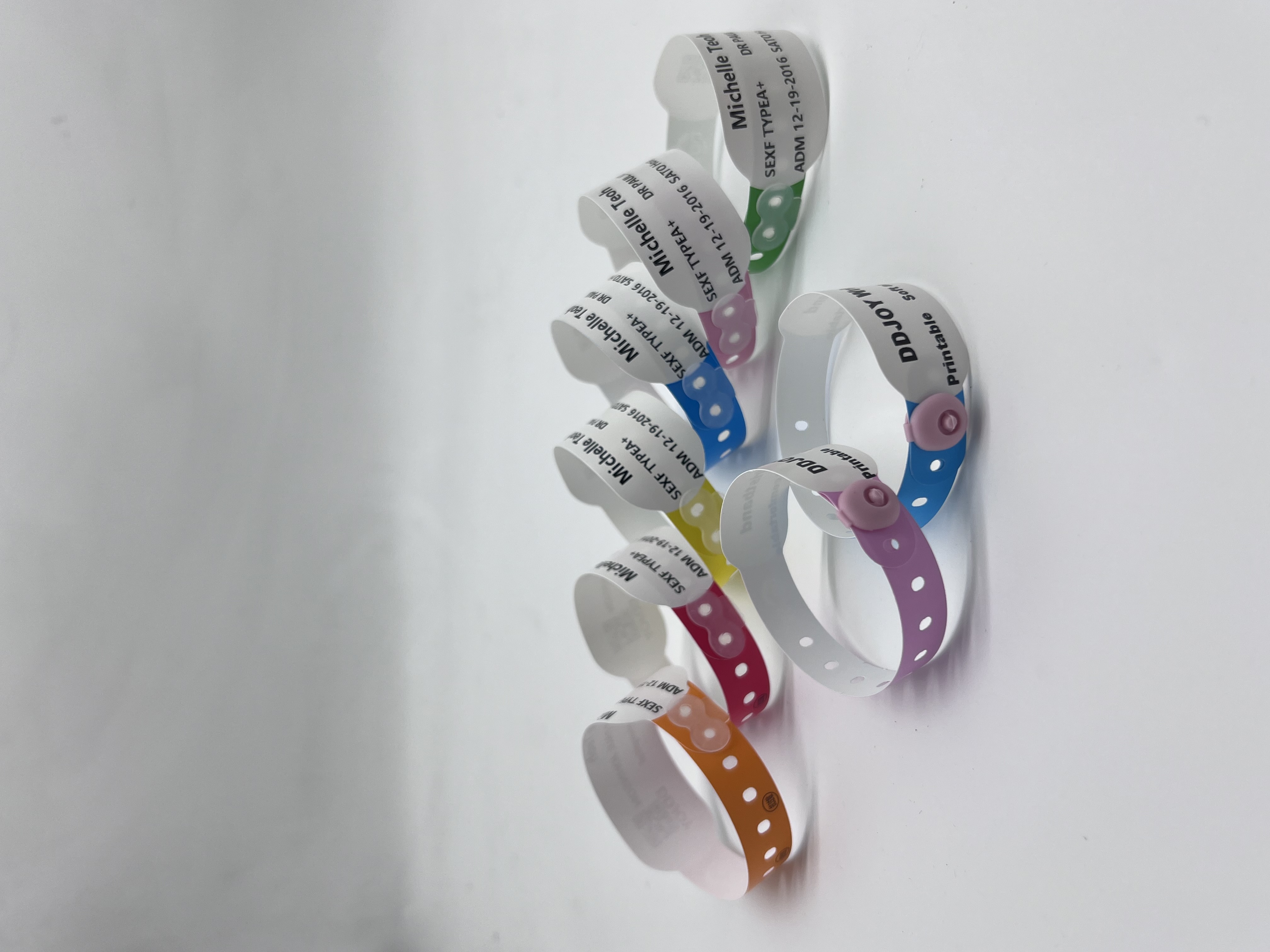
PVC medical wristbands help clinics and hospitals identify patients during daily care. They provide a simple way to display key details and help staff match patients with the right records. As a result, healthcare teams can manage patient identification more clearly and keep care tasks organized.
Compared with paper wristbands, PVC wristbands can offer better resistance to moisture and daily wear, depending on their design. They are also available in different colors, sizes, and styles to meet the needs of different healthcare settings.
For hospitals, clinics, and other medical facilities, choosing the right medical wristband is an important step in building a clear and reliable patient identification process.
Why PVC Medical Wristbands Matter in Healthcare
Patient identification is a key part of healthcare. Staff need to confirm a patient's identity before giving medicine, collecting samples, or carrying out other care tasks. Therefore, a clear and easy-to-read wristband can support daily work.
PVC medical wristbands offer several useful features:
- Clear identification: They provide space for patient names, ID numbers, barcodes, or other approved details.
- Moisture resistance: PVC material can suit settings where wristbands may come into contact with water.
- Color options: Different colors can help staff organize wristbands for specific uses, when supported by hospital rules.
- Practical wear: Suitable designs can stay on the wrist during routine care.
- Flexible printing: Depending on the product, wristbands can support printed text, barcodes, or other identification information.
However, wristbands are only one part of a patient identification system. Healthcare staff should always follow the facility's approved procedures to confirm patient identity.
How Hospitals and Clinics Use PVC Medical Wristbands
PVC medical wristbands can serve different purposes across healthcare facilities. Their design and printed details should match the needs of each department.
PVC Medical Wristbands for Hospital Patients
Hospitals often care for many patients at the same time. Therefore, staff need a clear way to connect each patient with the correct medical record. A medical wristband can display key identification details and support checks during admission, treatment, and discharge.
For example, hospitals may use wristbands with patient ID numbers or barcodes. When linked to the hospital's information system, these details can help staff access the correct record. However, a wristband alone cannot prevent every identification error.
PVC Medical Wristbands for Clinics
Clinics need practical tools to manage patient visits. PVC medical wristbands can help identify patients during check-in, examinations, and treatment.
In busy clinics, clear printing and a comfortable fit are especially important. In addition, different wristband styles may suit different visit lengths and care needs.
PVC Medical Wristbands for Emergency Care
Emergency departments often work under time pressure. As a result, easy-to-read identification can help staff organize patients and care tasks.
Wristbands should be selected based on the facility's workflow, available printing systems, and patient needs. Staff must still use the required identity checks before providing care.
Key Features to Consider When Choosing PVC Medical Wristbands
Not all medical wristbands are the same. Before placing an order, healthcare buyers should review the following points.
Material Quality and Durability
The wristband material should suit the expected period of use and the care setting. PVC can provide a practical option when moisture resistance and ease of cleaning matter. However, actual performance depends on the material grade, construction, and product design.
Buyers should also check whether the wristband can withstand normal handling without cracking, fading, or losing printed details.
Clear Printing and Barcode Support
Readable information is essential for patient identification. Therefore, buyers should check the available printing methods and confirm that text remains clear throughout the intended use period.
If the facility uses barcode scanning, the wristband must be compatible with its printing and scanning systems. Buyers should test sample products before placing a large order.
Comfort and Secure Fit
Patients may need to wear wristbands for several hours or days. For this reason, the band should fit securely without causing unnecessary pressure or discomfort.
Different patients may need different sizes or closure styles. Healthcare teams should also consider children, older adults, and patients with sensitive skin when choosing a product.
Color and Size Options
Different colors can support sorting and identification when used under a clear hospital policy. At the same time, suitable sizes help the wristband fit different patients.
Before ordering, confirm the available colors, dimensions, closure types, and customization options.
PVC Medical Wristbands vs. Other Medical Wristband Materials
Healthcare facilities can choose from several wristband materials. Each option has different benefits, so the best choice depends on the intended use.
FeaturePVC Medical WristbandsPaper Medical WristbandsMoisture resistanceGenerally better, depending on designOften more limitedDaily wearCan suit longer use, depending on constructionOften suited to shorter-term usePrintingDepends on the printing methodOften supports direct printingCostVaries by material and order sizeOften a low-cost optionBest fitSettings that need durable identificationShort visits or temporary identification
Silicone and other synthetic materials may also be suitable for some healthcare uses. However, buyers should compare comfort, printing needs, hygiene requirements, and cost before choosing a material.
How to Order Custom PVC Medical Wristbands
Custom wristbands can help healthcare facilities match their identification tools to their own workflows. To make the right choice, buyers should first define the product requirements.
- Confirm the use case. Decide whether the wristbands are for hospital admission, outpatient visits, emergency care, or another purpose.
- Choose the material and size. Consider the expected wear time, patient comfort, and care environment.
- Define the printed details. Select the information needed, such as patient ID numbers, barcodes, or facility details.
- Check printing compatibility. Make sure the wristband works with the facility's printers and scanners.
- Review samples. Check readability, fit, closure security, and material quality before ordering in bulk.
- Confirm order details. Discuss quantity, packaging, customization, production time, and shipping with the supplier.
This process helps buyers avoid common ordering problems and select wristbands that meet practical needs.
DDJOY Medical Identification Products for Healthcare
DDJOY provides wristband and identification products for different applications. Its product range on the DDJOY website includes PVC wristbands and other identification solutions, making it a useful starting point for buyers who need to compare wristband types.
When sourcing PVC medical wristbands, healthcare buyers can review the available styles and ask the supplier about product specifications, printing options, colors, sizes, and customization.
For facilities that need more than basic wristbands, DDJOY's wider identification product range may also be worth reviewing. Product selection should depend on the intended use, the facility's identification process, and compatibility with existing systems.
Before ordering, buyers should confirm the exact medical wristband model, material details, and available features with DDJOY. They should also check any applicable requirements for patient-contact materials and cleaning procedures.
How to Maintain a Reliable Medical Wristband System
Choosing the right wristband is only the first step. Healthcare facilities should also use clear procedures to support correct identification.
First, staff should check that the printed details are correct when the wristband is issued. Next, they should confirm that the band is readable and securely fitted. If a wristband becomes damaged, loose, or difficult to read, staff should replace it according to facility policy.
In addition, hospitals should train staff to follow the same identification steps. Color codes and barcodes should only be used as part of an approved process. Most importantly, staff should follow the required patient identity checks rather than relying on the wristband alone.
Conclusion: Choosing PVC Medical Wristbandsfor Healthcare
PVC medical wristbands can help hospitals and clinics organize patient identification. They offer a practical option for facilities that need clear printed details, moisture resistance, and a choice of styles.
However, the right product depends on patient comfort, expected wear time, printing needs, and local healthcare requirements. By reviewing these factors and testing samples, buyers can make a more informed choice.
For healthcare facilities looking for wristband and identification products, DDJOY offers a range of options to explore. Visit DDJOY to review its products and contact the company to confirm suitable specifications for your project.


